How Exposed Are Dentists, General to AI? — The 2026 Risk Report
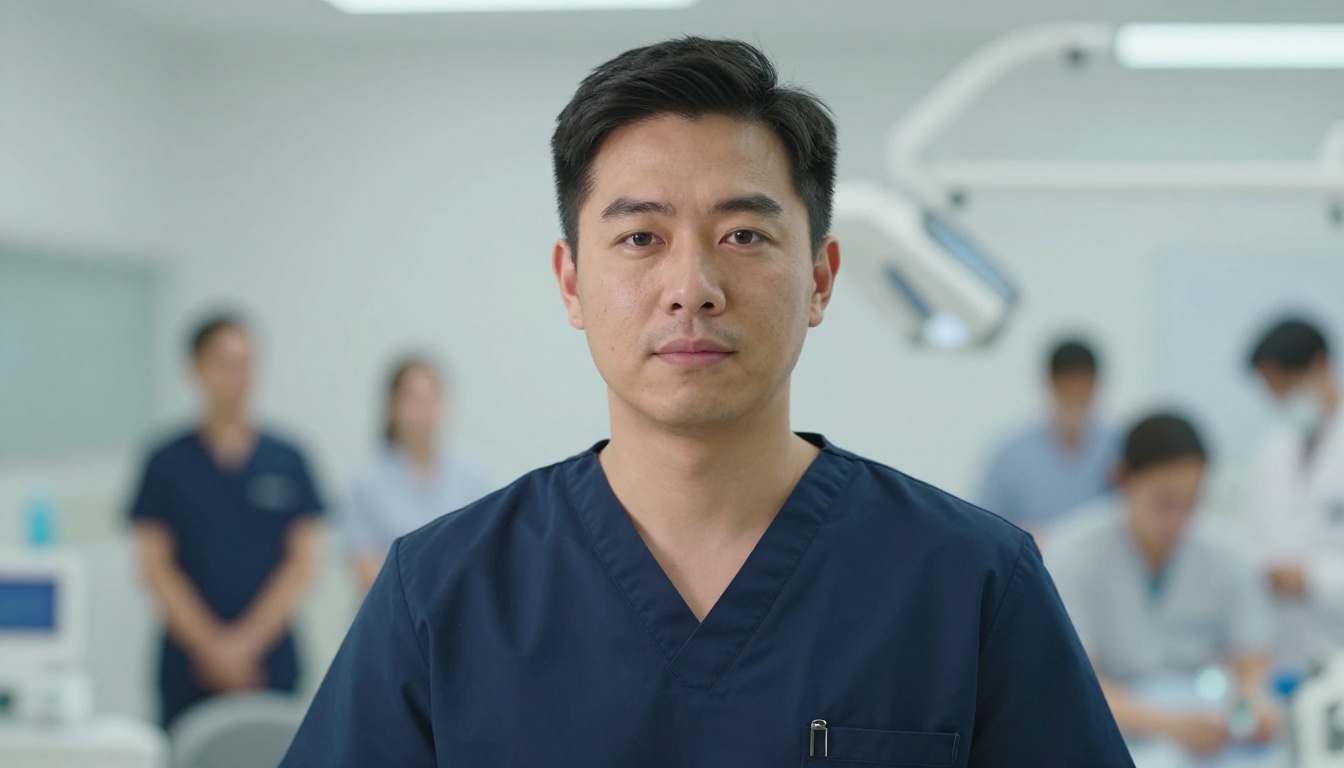
Examine, diagnose, and treat diseases, injuries, and malformations of teeth and gums. May treat diseases of nerve, pulp, and other dental tissues affecting oral hygiene and retention of teeth. May fit dental appliances or provide preventive care.
Data sources: O*NET 29.0, BLS OES. AI capability mapping updated March 2026. Task exposure does not equal full job replacement.
Key Statistics
- AI Risk Score
- 7% (low risk)
- Median Annual Salary
- $86,400
- Employment Growth
- +10%
- Total Employment
- 145,161
- Risk Timeline
- Minimal foreseeable impact
Risk Profile
- AI Exposure
- 7%
- Human Moat
- 10%
- Pivot Ease
- 0%
- AI Augmentation
- 47%
How exposed are Dentists, Generals to AI?
How much of this job can AI handle in each area (0% = no AI capability, 100% = fully automatable):
- Text & Language Processing
- 77.1%
- Data Analysis & Pattern Recognition
- 77.7%
- Visual & Creative Work
- 67.6%
- Code & Logical Reasoning
- 62.8%
- Physical & Manual Tasks
- 11.8%
- Social & Emotional Intelligence
- 7.8%
AI exposure dimensions for Dentists, General: Text & Language Processing: 77.1%, Data Analysis & Pattern Recognition: 77.7%, Visual & Creative Work: 67.6%, Code & Logical Reasoning: 62.8%, Physical & Manual Tasks: 11.8%, Social & Emotional Intelligence: 7.8%.
Key Tasks
- Use masks, gloves, and safety glasses to protect patients and self from infectious diseases.
- Examine teeth, gums, and related tissues, using dental instruments, x-rays, or other diagnostic equipment, to evaluate dental health, diagnose diseases or abnormalities, and plan appropriate treatments.
- Administer anesthetics to limit the amount of pain experienced by patients during procedures.
- Use dental air turbines, hand instruments, dental appliances, or surgical implements.
- Formulate plan of treatment for patient's teeth and mouth tissue.
What AI can automate for Dentists, General
- Medical documentation and coding
- Test result interpretation for standard cases
- Patient scheduling optimization
What stays irreplaceable for Dentists, General
- Patient diagnosis and clinical judgment
- Emotional support and bedside manner
- Complex case management
- Surgical and procedural skills
- Ethical medical decisions
Bottom Line
22% AI exposure — low automation risk (Anthropic, March 2026). BLS projects +10% job growth 2024–34. Median $86K/yr (BLS 2024). Defend your human strengths: judgment stays irreplaceable.
Verdict: Defend
Not all Dentists, Generals face the same AI risk
Your title matters less than your task mix. Two people with the same job can have very different exposure. Lower exposure if you do more client-facing, advisory, or coordination work. Higher exposure if most of your day is repetitive digital output.
What the AI-resilient Dentists, General looks like
This role already has strong human elements. The best dentists, general will strengthen their advantage by deepening interpersonal skills, leveraging physical presence, and becoming the person who checks and improves AI output.
What stays human for Dentists, General
Empathy, communication, and building trust with patients are irreplaceable aspects of dental care.
Career pivot tip
Specialize in complex procedures like oral surgery or orthodontics, which require more human expertise.
What not to panic about
AI automates tasks, not your full professional value. Trust, judgment, responsibility, and context still matter deeply. The people most at risk are usually those who stay static. Using AI early often matters more than fearing it.
Dentists, General salary in 2026
Estimated 2026 salary: $92,000. Current median: $86,400. Growth outlook: +10% through 2033. Total employment: 145,161.
Your 3-move defense plan as a Dentists, General
As AI transforms the Dentists, General profession, developing complementary skills is essential. Focus on areas where human judgment, creativity, and interpersonal skills provide an irreplaceable advantage.
Can AI increase Dentists, General salary?
Current median salary: $86,400. Professionals who adopt AI tools early in this field can see significant productivity gains that translate to higher compensation.
AI tools every Dentists, General should know
- {'name': 'Diagnocat', 'use_case': 'AI-powered X-ray analysis for faster and accurate diagnoses.'}
- {'name': 'Pearl', 'use_case': 'Detects dental conditions in X-rays, improving diagnostic accuracy.'}
- {'name': 'Overjet', 'use_case': 'AI platform for clinical review and patient communication.'}
What AI changes for Dentists, Generals
Dentists face moderate AI exposure with high resilience to automation. AI is currently transforming the field through advanced diagnostic imaging that detects cavities and bone loss with remarkable accuracy, treatment planning algorithms, and CAD/CAM systems for designing crowns and bridges. However, the physical nature of dental work (12%) and essential patient interaction (8%) create significant barriers to full automation. The high data (78%) and text (77%) dimensions reflect the diagnostic and administrative aspects where AI assistance is most valuable. Rather than replacement, expect AI to serve as a powerful augmenting tool that enhances diagnostic precision and practice efficiency. Dentists should embrace digital dentistry technologies, develop strong patient communication skills that AI cannot replicate, and consider training on AI-powered diagnostic and treatment planning systems to remain competitive in an evolving healthcare landscape.
Related Careers to Dentists, General
- Orthotists and Prosthetists — 21.9% AI risk
- Oral and Maxillofacial Surgeons — 21.2% AI risk
- Radiation Therapists — 23.4% AI risk
- Nurse Anesthetists — 23.7% AI risk
- Anesthesiologists — 24.5% AI risk
Explore more
- See all Healthcare Practitioners and Technical jobs
- Compare Dentists, General with Orthotists and Prosthetists
- Compare Dentists, General with another career
- 50 safest jobs from AI
- Most exposed jobs to AI
- High-pay, low-risk careers
- Browse all job categories
- How we calculate AI risk scores